Change Distance or Aperture for More DOF?
When photographers need more depth of field, the first reaction is often the same: close the aperture. Sometimes that is the right move. Sometimes it is slower, less helpful, or more limiting than simply changing distance.
That matters because depth of field is rarely controlled by one setting alone. Aperture, focal length, and subject distance all work together, which means the fastest fix in the field is not always the one people reach for first.
A depth of field calculator tool becomes much more useful when it is used to compare those tradeoffs before the next shot. This guide explains when moving is smarter than stopping down, and how to test both options without guessing.
Disclaimer: The information and assessments provided are for educational purposes only and should not replace professional medical advice, diagnosis, or treatment.
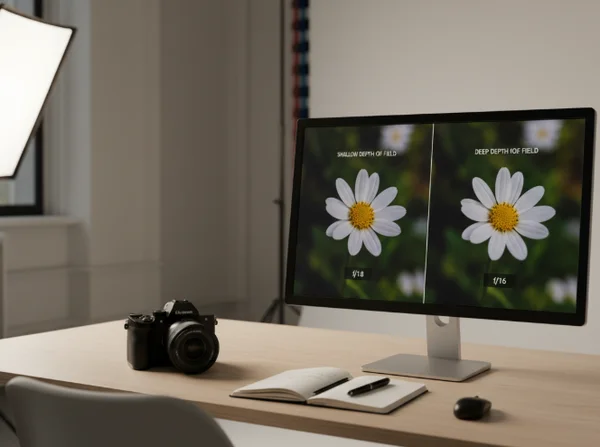
Why photographers often reach for the f-stop first
Aperture is easy to see and easy to change. It is also the setting most often linked to background blur, so it becomes the first control many people trust when focus feels too shallow.
That habit makes sense, but it can hide a better option. In some scenes, changing distance produces the depth-of-field shift the photographer wants while keeping the shutter speed, ISO, or lens character closer to the original plan.
This is where the site's DOF comparison view can help. Instead of changing one setting on instinct, users can compare the result of changing aperture against the result of changing distance.
What changes depth of field most in the moment
What aperture really changes
Aperture still matters. [Michigan Technological University]explains that a smaller aperture produces larger depth of field. That is why stopping down is such a common first move when more of the frame needs to stay acceptably sharp.
In practical terms, moving from f/2.8 to f/8 can give the scene much more usable focus range, but it can also cost light. If the scene is already dim, that single DOF fix can force a slower shutter speed or a higher ISO.
That is why aperture works best as one option, not the only option. In the field, the smarter question is often what single change gives the extra depth of field with the fewest side effects.
Why subject distance can shift the result faster than expected
Depth of field calculations depend directly on subject distance. Michigan Tech's depth-of-field formulas use subject distance as a core input for the near and far sharpness limits. That is a practical reminder that distance is not a minor detail in the result.
If a photographer moves from 1 meter to 2 meters away, the focus range can widen dramatically even before the aperture changes. That is especially noticeable when the subject starts very close and the current depth of field is extremely narrow.
This does not mean distance always wins. It means distance deserves to be tested before the photographer assumes the only answer is a smaller aperture.
When moving is smarter than stopping down
Tight spaces and subject framing tradeoffs
Moving back is often the cleaner fix when the frame allows it. If the subject can stay large enough in the composition, a little more distance can widen the usable focus zone without immediately forcing a darker exposure setup.
The tradeoff is framing. Stepping back changes subject size and sometimes the relationship between subject and background. In tight spaces, that may not be possible. In those cases, stopping down may still be the easier path.
This is why portraits, products, and tabletop scenes all behave differently. A portrait photographer may be able to step back and crop later. A product shooter on a fixed table may have much less freedom.
When closing the aperture still makes more sense
Stopping down is often the better choice when framing must stay exactly where it is. It also helps when the photographer wants to preserve the current lens-to-subject distance or cannot move any farther back.
It can also be the cleaner option when the scene already has enough light. If exposure is not under pressure and the composition is locked, a smaller aperture may be the simplest solution.
The point is not that distance is better than aperture. The point is that photographers solve shallow focus problems faster when they know which constraint matters most in the scene.
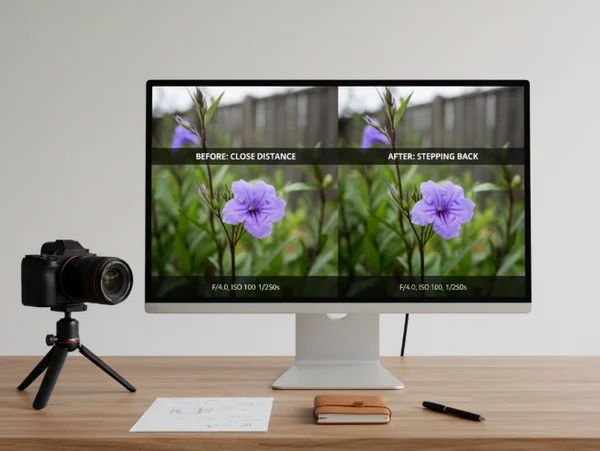
How to test both options in a DOF calculator
Compare one variable at a time
The best comparison method is simple. Keep two inputs fixed, change one, and watch what happens to the depth-of-field range. Then reset and try the other option.
This matters because mixed changes are hard to learn from. If aperture, focal length, and subject distance all shift together, the photographer may get a new result without understanding what actually caused it.
[UAF's basic digital photography unit] teaches depth of field as something photographers can control through camera settings and the way a subject is shot and focused. That is a useful mindset here. A calculator is not just for getting a number. It is for learning which input gives the most practical gain in the current scene.
Use the result to plan the shot before moving gear
Michigan Tech also notes that longer focal lengths have shallower depth of field than shorter ones. That means the best fix is not always aperture or distance alone. Sometimes the real answer is that the current lens choice is part of the problem.
For example, a 50mm setup at 2 meters may give a very different range from an 85mm setup at the same distance, even before the aperture changes. A calculator helps reveal that before the photographer wastes time on trial and error.
That is where the site's shot-planning calculator page becomes useful. It turns a vague field problem into a simple comparison workflow before the camera moves again.
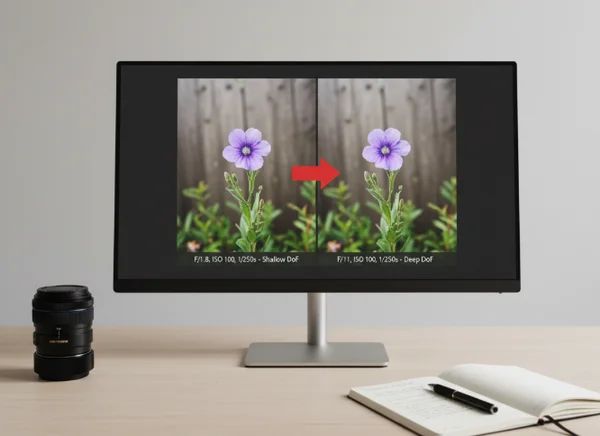
A simpler way to solve shallow focus problems
Aperture is powerful, but it is not the only depth-of-field control. Distance can change the result faster than many photographers expect, especially when the subject starts very close to the camera.
The most useful habit is to compare both fixes before assuming one must be right. Test the current setup, change aperture only, reset, then change distance only. The cleaner choice is the one that solves the depth-of-field problem without creating a bigger shooting problem.
If vision strain or camera-use discomfort becomes severe or persistent, seek professional help. A qualified healthcare provider or vision professional can offer support beyond online information.